
Neural Networks Glossary Class 10
Neural Networks class 10 covers a key concept in artificial intelligence, inspired by the way the human brain works. They consist of interconnected nodes called neurons that process information and learn from data. Neural networks help machines recognize, make predictions, and perform tasks such as image recognition, speech recognition, and decision-making.
What is a Neural Network?
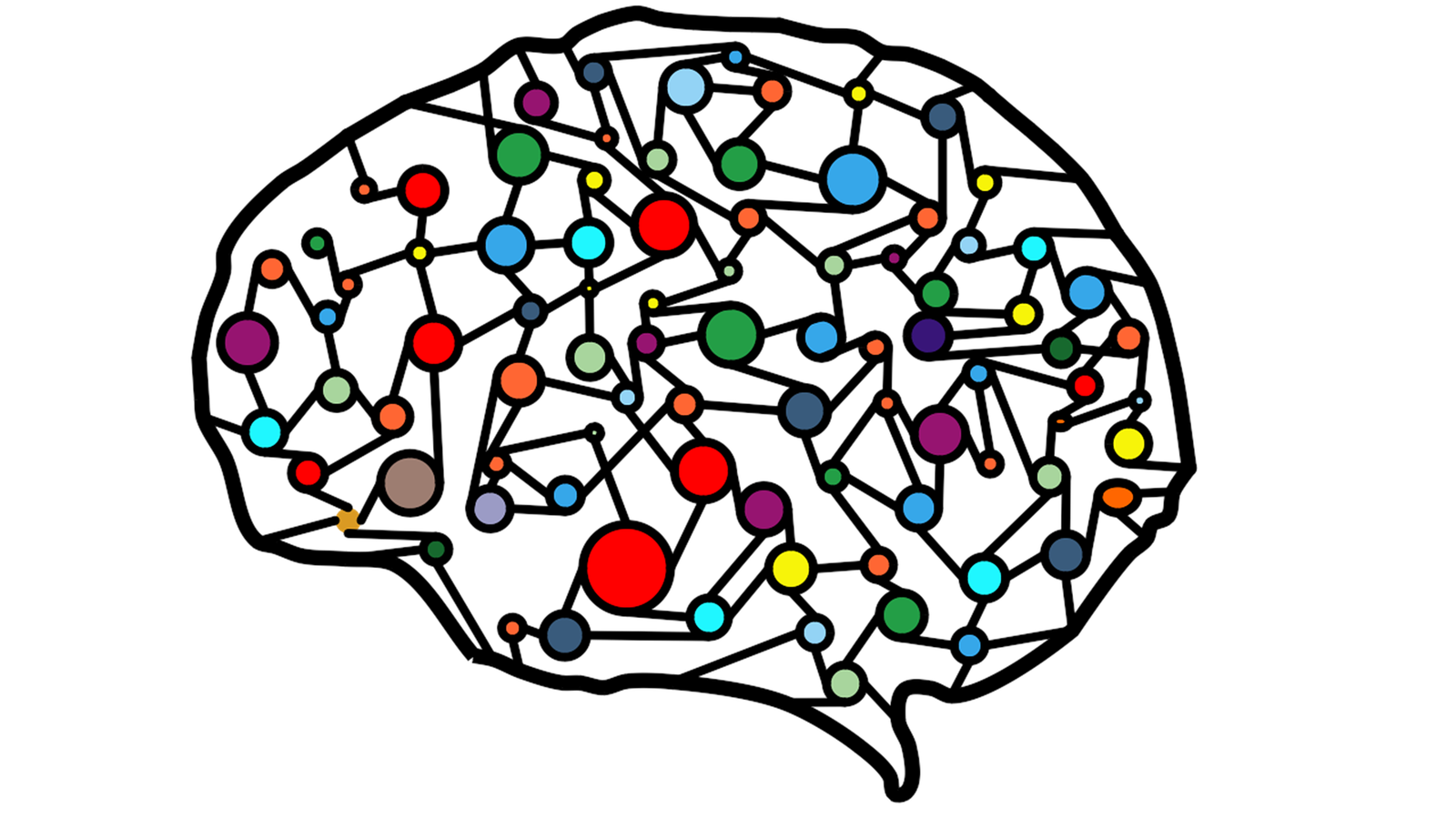
Neural Networks are a series of networks of independent Neurons, just like in our brain. However, in computers, neurons are not living tissue; they are simply an algorithm that generates output based on given data.
The key advantage of Neural Networks is that they can automatically extract data features without requiring programmer input.
A Neural Network is essentially a system of organizing learning algorithms to perform specific tasks. It is a fast and efficient way to solve problems for which the dataset is enormous, such as in images.
Neural Networks are a collection of Neurons containing a specific algorithm that are networked together to solve a particular set of problems, irrespective of data size.
Why Neural Networks?
To understand clearly, let’s delve into its earlier stage!
If Else Era
In earlier times, people tried to solve big data-related problems using if-else statements. For better understanding, let’s go through an example.
Example:
Suppose we want to build an AI-enabled chat app that can converse with people just like any other human. For that, we will use if statements, a programming concept)To check if they say “”ello, we will reply with “However, “he problem with this approach is that we need to write 100 or 1000 lines of if-else logic, which is very inefficient and considered a bad practice in the programming world. So we apply the concept of our brain to a machine cause we don’t have to think “I” “h” says hello, I will say hi,” i”‘ it’s a command, the reply changes based on the situation.
Neural Networks are the basis of an AI model. As input data increases, the accuracy of AI increases
Solution:
To overcome the disadvantages of if/else statements, people developed neural networks in computers using specific mathematical prediction algorithms. Due to this, we code the AI once and provide it with a collection of data, which is then processed by these neural networks to generate output. The output changes as the data changes.
PHP stands for PHP Hypertext Preprocessor. It is a recursive acronym.
Accuracy-Data Proportionality
The main reason Neural Networks are implemented to build AI is that they learns as they get more data, just like human. If we do something, we collect data from the surroundings and learn new things. By practising it (i.e., gathering more data on the same thing), we perfect and master it.
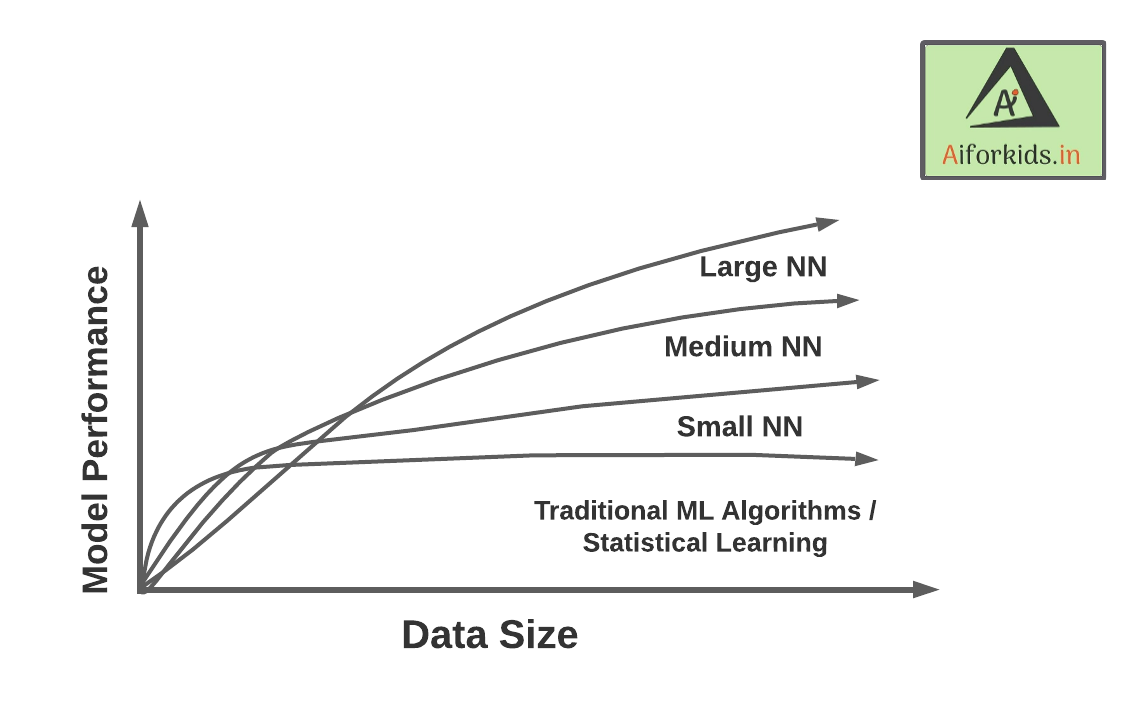
As seen in the figure, larger Neural Networks tend to perform better with larger amounts of data, whereas traditional machine learning algorithms tend to stop after a certain saturation point.
How does a Neural network work?
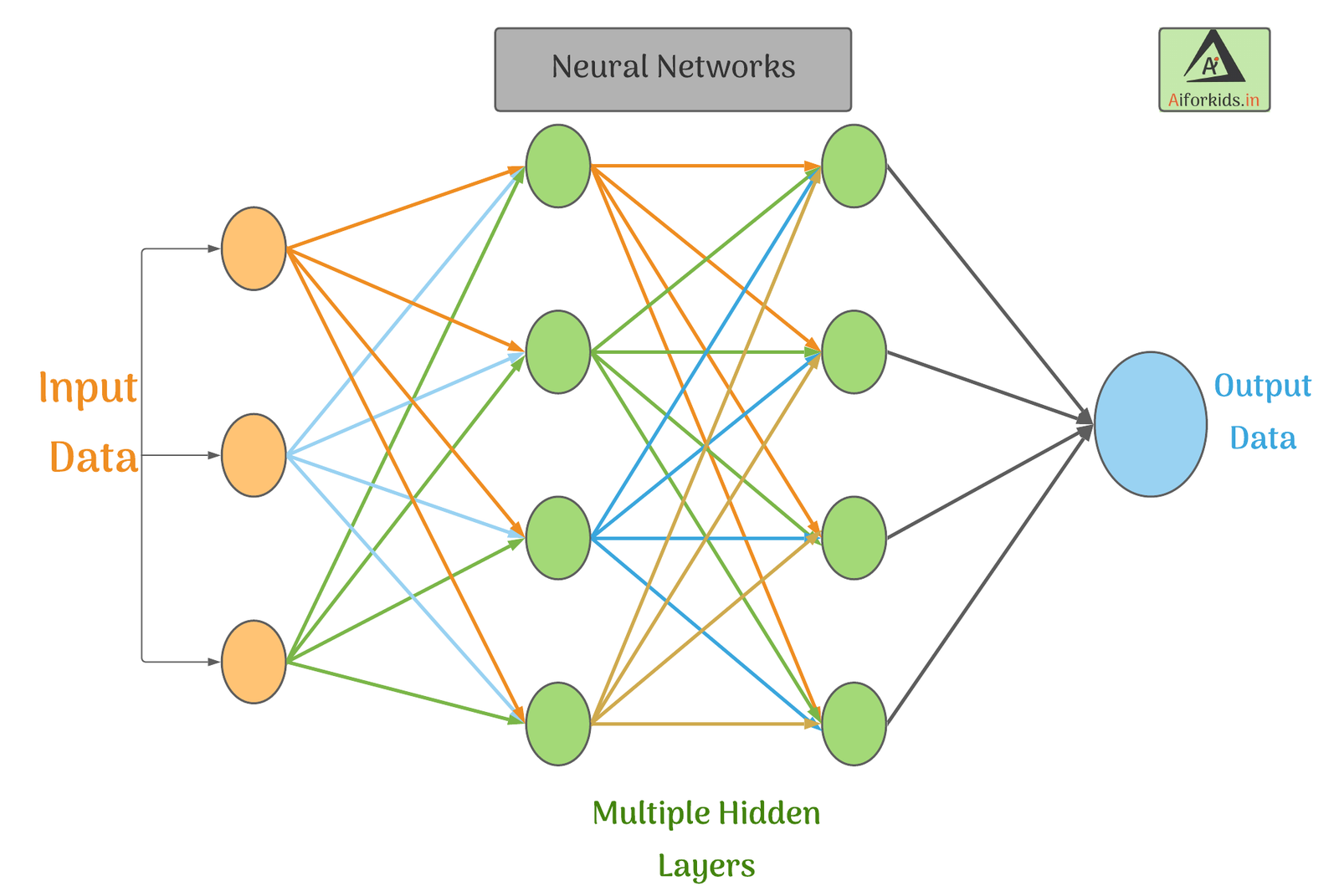
This illustration represents how neural networks function. A Neural Network is divided into multiple layers, and each layer is further divided into several blocks called nodes. Each node has its own task to accomplish, which is then passed to the next layer.
The first layer of a Neural Network is known as the input layer. The job of an input layer is to acquire data and feed it to the Neural Network. No processing occurs at the input layer.
Next to it are the hidden layers. Hidden layers are the layers in which the whole processing occurs. Their name essentially means that these layers are hidden and are not visible to the user.
Each node of these hidden layers has its own machine learning algorithm, which it executes on the data received from the input layer. The processed output is then fed to the subsequent hidden layer of the network.
A neural network system can have multiple hidden layers, and their number depends on the complexity of the function for which the network has been configured. Also, the number of nodes in each layer can vary accordingly. The last hidden layer passes the final processed data to the output layer, which then gives it to the user as the final output.
Processing Layers in Neural Networks.
Input Layer :
The input layer of a neural network consists of artificial input neurons, which receive the initial data and pass it on to the subsequent layers of artificial neurons for further processing. The input layer is the very beginning of the workflow for the artificial neural network.
Hidden Layer :
A hidden layer in an artificial neural network is a layer situated between the input layer and the output layer, where artificial neurons receive a set of weighted inputs and produce an output through an activation function. It is a typical component of nearly any neural network, in which engineers simulate the types of activity that occur in the human brain.
Output Layer :
The output layer is responsible for producing the final result. There must always be one output layer in a neural network. The output layer takes in the inputs, which are passed in from the preceding layers, performs calculations via its neurons, and then computes the output.
The interior layers are sometimes referred to as “hi” den layers” b” cause they are not directly observable from the system’s inputs and outputs.
Features of Neural Networks:
- Neural Network systems are modelled on the human brain and nervous system.
- They can automatically extract features without requiring programmer input.
- Every neural network node is essentially a machine learning algorithm.
- It is beneficial when solving problems involving large datasets.
Large ML models require very high computational power, which is fulfilled by the graphics card in your system.
Neural Networks vs the Human Nervous System
Given are the images of a Human Neuron and its relation with the Neural Network. The axon from a neuron sends an impulse to the synapse of another neuron. The impulse received is then sent to the cell body (nucleus) through dendrites.
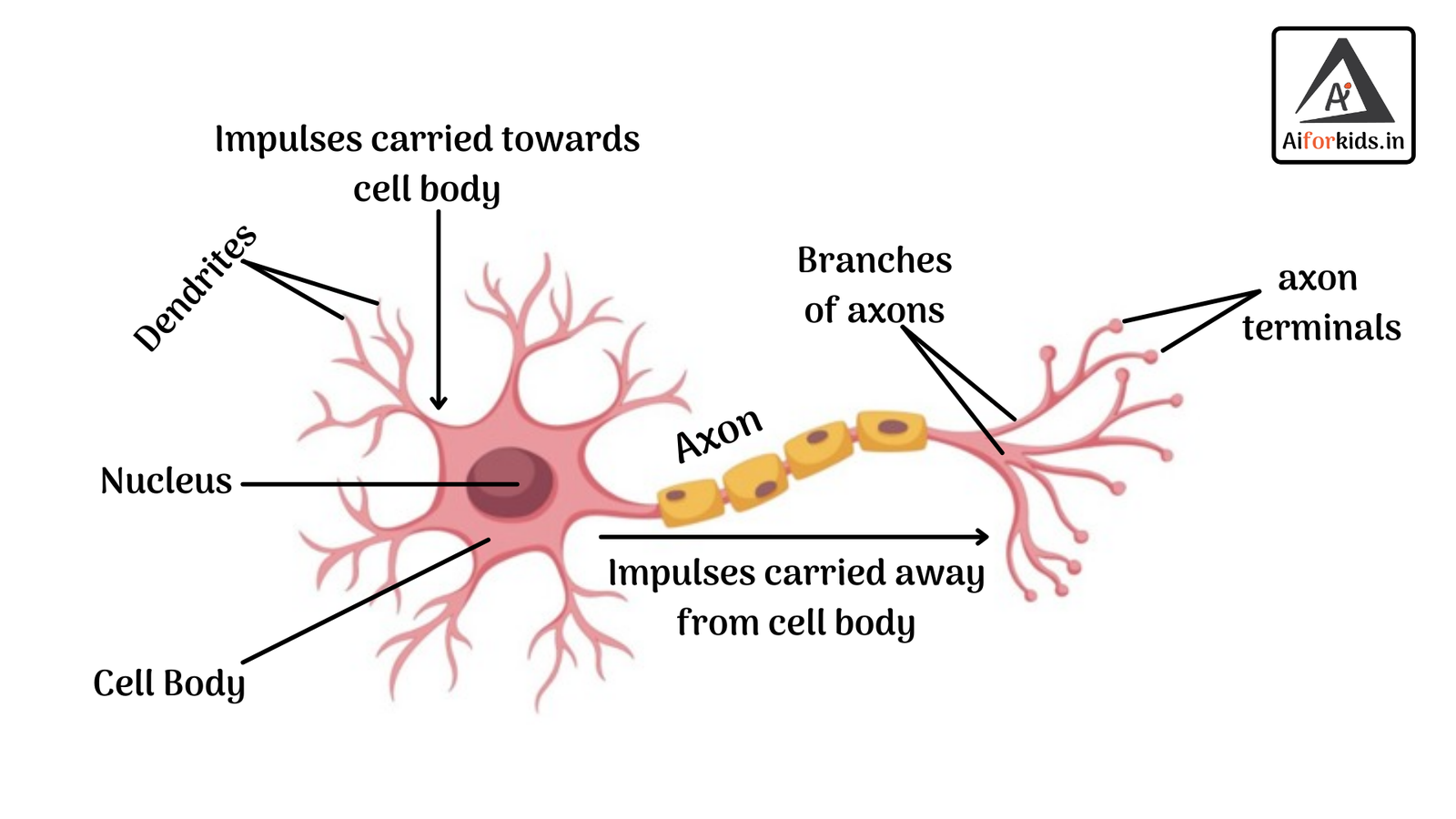
The cell body performs an activation function on the impulse received and then passes it to the output axon, which in turn passes it to the next neuron in the system.
Now, as we relate this process to an Artificial Neural Network, we can see that the input layer gets data, which is passed on to the nodes in the hidden layer. The nodes perform specific actions on the data and pass the processed information to the next layer. Ultimately, the processed data reaches the system’s output.