
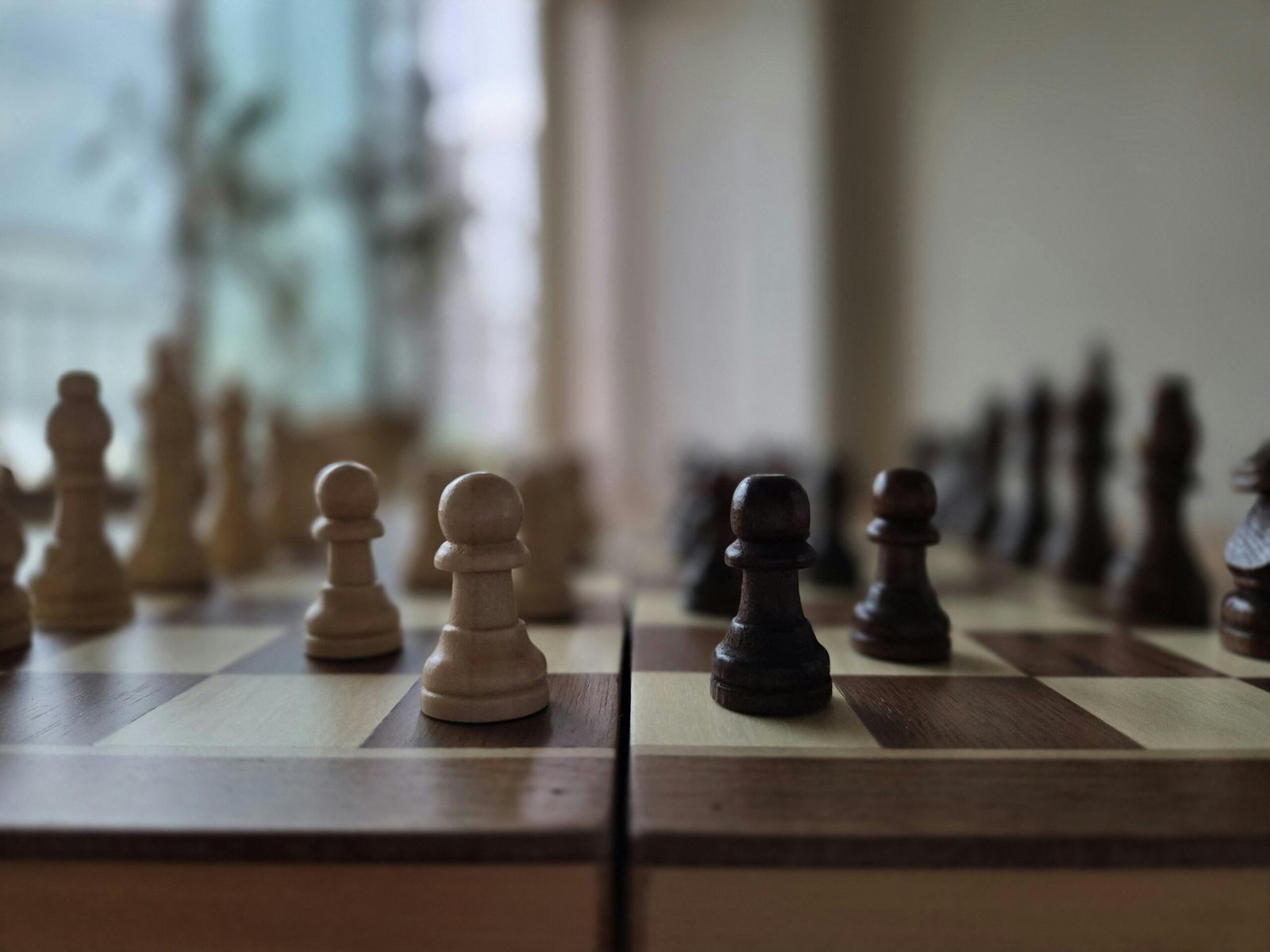
Many players spend years playing chess consistently without seeing major rating progress. They solve puzzles, watch videos, and play online almost every day, yet improvement eventually slows down or stops completely.
In most cases, the problem is not lack of effort. The real issue is that many training habits feel productive while contributing very little to long-term development. Repeating the same routines without correcting weaknesses often leads to long plateau periods.
Strong improvement usually depends less on total hours and more on how effectively those hours are used.
The Habit of Playing Without Reviewing Games
One of the most common mistakes in chess training is immediately starting a new game after finishing the previous one. While this creates constant activity, it removes one of the best learning opportunities available.
Without analysis, players continue repeating the same positional mistakes, tactical oversights, and time-management problems. Over time, these errors become automatic habits instead of temporary weaknesses.
Even short post-game reviews can dramatically improve awareness and help players recognize recurring problems much faster.
How Constant Blitz Sessions Reduce Deep Thinking Skills
Blitz chess is entertaining, fast, and highly addictive. It improves tactical alertness and helps players gain practical experience under time pressure. However, relying on blitz too heavily can create bad training habits.
Fast games encourage automatic moves and intuitive reactions instead of deep calculation. Many players become skilled at surviving chaotic positions while still struggling with strategic planning and accurate evaluation.
Blitz works best as part of balanced training rather than the entire improvement process.
Why Memorizing Opening Moves Often Replaces Real Understanding
Many players spend enormous amounts of time memorizing opening lines because it feels like quick progress. Knowing theory can certainly help, but memorization alone rarely creates strong overall chess understanding.
Problems appear as soon as opponents leave familiar lines. Players who rely only on memory often struggle to create plans independently or adapt to unusual positions.
Strong improvement comes from understanding ideas behind openings rather than simply remembering moves.
The Problem With Learning Only Through Entertainment Content
Modern chess content is more accessible than ever. Speedruns, tactical compilations, and entertaining commentary attract millions of viewers online every day.
Although this content can inspire players and introduce useful concepts, passive watching rarely replaces active training. Many players consume huge amounts of chess media while spending very little time analyzing positions themselves.
Improvement becomes much more effective when learning includes calculation, analysis, and structured practice instead of entertainment alone.
How Fear of Losing Prevents Players From Improving
Many players avoid difficult opponents, sharp positions, or unfamiliar openings because they fear losing rating points. While this may protect short-term results, it often slows long-term growth.
Improvement usually requires discomfort. Challenging games expose weaknesses, force deeper thinking, and reveal areas that still need work. Players who constantly stay inside safe positions often limit their own development.
Losses become valuable when they are treated as information instead of failure.
Why Ignoring Endgames Slows Overall Chess Growth
Endgames are often neglected because many players consider them less exciting than openings or tactical attacks. However, poor endgame understanding affects the entire game much more than people realize.
Players who lack confidence in technical positions frequently make weaker decisions earlier because they avoid favorable simplifications or misunderstand winning transitions.
Even basic endgame knowledge improves calculation, positional understanding, and practical confidence significantly.
The Hidden Damage of Switching Openings Too Frequently
Many chess players constantly search for new openings after every loss. One week they study aggressive gambits, the next week they switch to completely different systems.
This habit creates shallow understanding instead of stable progress. Constantly changing openings prevents players from learning typical structures, strategic plans, and recurring positional themes deeply enough.
Long-term improvement usually comes from building experience within a smaller and more consistent repertoire.
How Lack of Training Structure Creates Long-Term Plateaus
Random training often produces uneven development. A player may spend weeks solving tactics while ignoring strategy, endgames, or game analysis entirely.
Without structure, weaknesses remain unbalanced and eventually stop overall progress. Many plateau periods happen not because players stop working hard, but because their study lacks direction.
Balanced training systems usually create steadier improvement by connecting all major areas of chess development together.
The Difference Between Active Learning and Passive Chess Consumption
There is a major difference between watching chess and actively studying it. Passive consumption feels productive because players remain surrounded by chess content, but real improvement requires direct mental effort.
Active learning includes calculating variations, analyzing mistakes, solving positions independently, and deeply reviewing games. These activities train decision-making skills much more effectively than simply observing others play.
The strongest improvement usually comes when players spend more time thinking for themselves instead of only consuming information.
When Players Realize Their Current Training Routine No Longer Works
At some point, many ambitious players notice that their current habits no longer produce meaningful progress. Ratings stop improving, familiar mistakes continue appearing, and training begins to feel repetitive instead of productive.
This is often the moment when players start searching for more organized learning systems that combine practical play, structured study, and long-term development planning. Courses like chess.coach/services/breakthrough_course/ are designed for players who want a more focused and systematic approach to online chess improvement.
Changing training habits is often the first step toward breaking long-standing rating plateaus.
Why Strong Chess Improvement Requires Better Habits, Not Just More Time
Many players believe improvement depends mainly on spending more hours on chess. In reality, effective habits matter far more than pure volume.
Careful analysis, balanced study, structured practice, and consistent self-review usually produce much stronger long-term results than endless blitz sessions or random content consumption.
Small daily habits often shape chess progress more than occasional bursts of motivation.
What Ambitious Players Usually Look For in Modern Online Chess Training
Serious players often search for training environments that provide more than isolated lessons or entertainment. They look for systems that help organize improvement, identify weaknesses, and create long-term study structure.
Modern platforms like https://chess.coach/ are designed to support players who want more focused online chess training through structured learning and practical improvement methods.
A clear system and consistent habits often make improvement far more stable over time.
Conclusion: Small Daily Habits Often Decide Long-Term Chess Progress
Many chess plateaus are caused not by lack of talent, but by ineffective habits repeated over long periods of time. Playing endlessly without analysis, relying only on blitz, or consuming random content can slow improvement more than players expect.
Real progress usually comes from purposeful training, structured learning, and the willingness to consistently correct mistakes. In chess, small daily habits often determine long-term results.