

A complete renovation of your roof and gutter system is one of the most impactful home improvement projects you can undertake. Over time, exposure to sun, rain, wind, and debris wears down both the roof and drainage components, reducing their ability to protect your home. Tackling both at once can save time, money, and labour compared to addressing them separately. It ensures that your home’s weatherproofing is consistent and that every part of the system works together seamlessly. Many homeowners delay such projects due to cost concerns, but waiting too long often leads to higher repair bills. By planning a comprehensive renovation, you can improve structural integrity, boost curb appeal, and increase energy efficiency in one go. The process involves careful planning, the right materials, skilled professionals, and proper sequencing of work. In this guide, we’ll break down each step to help you achieve a renovation that lasts for decades.

Assessing the Condition of Roof and Gutters
Before committing to a renovation, you must evaluate the current condition of both the roof and gutter system. This step helps determine the scope of work and the budget required. A thorough inspection will reveal issues such as leaks, sagging, missing shingles or tiles, rust, and gutter blockages. It’s important to check both from the ground and up close, using ladders or professional drone inspections if needed. An experienced roofer can assess the underlying structure for hidden damage, such as rotting timber or compromised insulation. Looking at gutters, you should examine downspouts, joints, and brackets for wear and corrosion. Often, gutter issues can contribute to roof damage and vice versa, so a combined approach makes sense. Learn more in this useful post: https://medium.com/@Darren_Cormack .
Key inspection points:
- Missing, cracked, or loose roof materials.
- Rust or corrosion on metal roofing or gutters.
- Signs of water damage inside the home.
- Sagging rooflines or gutter runs.
- Blockages in downspouts or gutter channels.
- Structural weaknesses in roof decking or fascia boards.
By addressing these factors early, you can plan a renovation that resolves current problems and prevents future issues. Skipping this step risks leaving hidden damage that could shorten the lifespan of your new installation.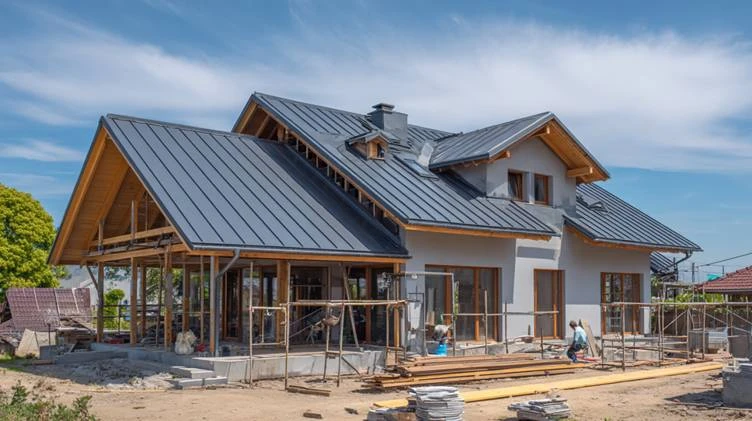

Planning the Renovation Project
A successful roof and gutter renovation starts with a well-structured plan. You need to set a clear budget, choose the right materials, and select qualified contractors. The sequence of work is crucial: typically, the roof is replaced or repaired before gutters are installed. This ensures proper integration between the two systems for maximum water protection. You should also plan the project timeline, keeping seasonal weather patterns in mind to avoid delays. Selecting energy-efficient roofing materials and gutter designs can improve long-term performance and reduce maintenance needs. Finally, check local building codes and obtain necessary permits before work begins. Explore additional information on the site: https://designaddict.com/community/profile/darren_cormack/ .
Good planning allows you to avoid unnecessary interruptions, keeps costs under control, and ensures a smooth renovation process from start to finish.
Table: Common Roofing and Guttering Materials and Their Benefits
| Material Type | Common Use | Benefits |
| Colorbond Steel | Roof & Gutters | Corrosion-resistant, low maintenance, long lifespan |
| Asphalt Shingles | Roof | Affordable, variety of styles |
| Terracotta Tile | Roof | Long-lasting, classic look |
| PVC | Gutters | Lightweight, low-cost |
| Aluminium | Gutters | Rust-resistant, durable |
| Copper | Gutters | Premium look, extremely durable |

Selecting the Right Materials
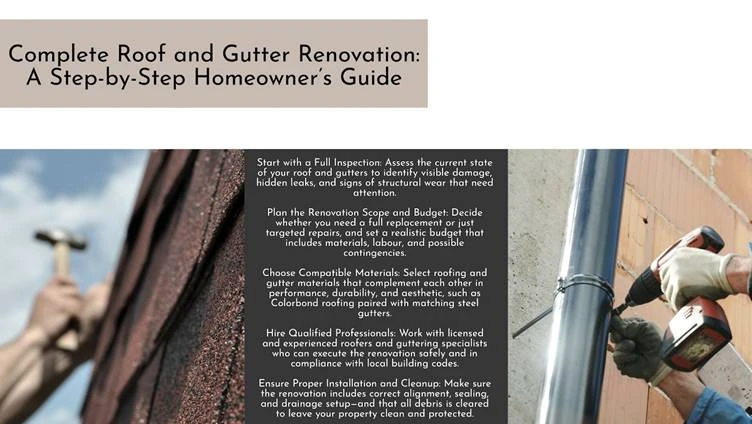
Material choice has a major impact on performance, aesthetics, and maintenance needs. For roofs, options include metal (such as Colorbond), asphalt shingles, terracotta, slate, or concrete tiles. Each material offers different lifespans, costs, and resistance to environmental factors. For gutters, common materials include PVC, aluminium, copper, and steel. You should match materials not only for compatibility but also for climate resilience. For example, coastal homes benefit from corrosion-resistant metals, while properties in heavy-rain areas may require larger gutter profiles.
Material selection tips:
- Choose weather-appropriate roofing and gutter materials.
- Consider the weight of roofing on structural supports.
- Match gutter capacity to expected rainfall.
- Select colours that complement your home’s design.
- Factor in maintenance requirements.
- Review manufacturer warranties.
Choosing the right materials upfront helps ensure the renovation delivers both function and style for many years. This decision influences not only immediate performance but also long-term maintenance costs.

Coordinating Roof and Gutter Installation
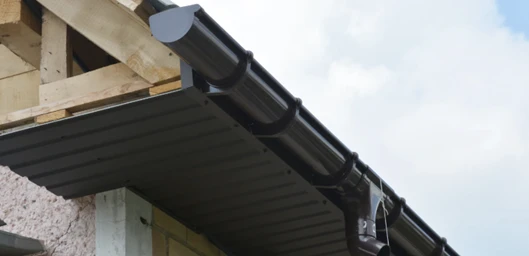
The installation process should be carefully coordinated so both systems integrate seamlessly. Work usually starts with roof removal, followed by repairs to the underlying structure. Once the new roof is in place, gutters can be installed with the correct pitch and alignment to ensure efficient water flow. Downspouts should be positioned to direct water away from the foundation, and flashing must be installed properly where the roof meets the gutters. A coordinated approach ensures that neither system undermines the other’s performance.
Key coordination steps:
- Remove old roof materials before installing new gutters.
- Repair structural damage before roof installation.
- Install gutters with correct slope and secure fasteners.
- Ensure flashing is watertight at roof-gutter junctions.
- Test water flow before finalising installation.
- Schedule inspections at key project stages.
Proper coordination not only improves efficiency but also extends the lifespan of both the roof and gutters. This teamwork between trades is what ensures the system works as a whole.
Renovating your roof and gutters together is a strategic investment that improves your home’s durability, functionality, and appearance. A thorough inspection helps you understand the full scope of work, while careful planning ensures the project stays on schedule and budget. Choosing high-quality materials suited to your climate and coordinating installation between roofers and gutter specialists will provide long-term protection against the elements. A properly renovated system will channel water effectively, reduce maintenance needs, and boost curb appeal. The cost of a combined project is often lower than doing the work separately, saving you time and resources. With the right approach, your home can remain safe, dry, and beautiful for decades to come.