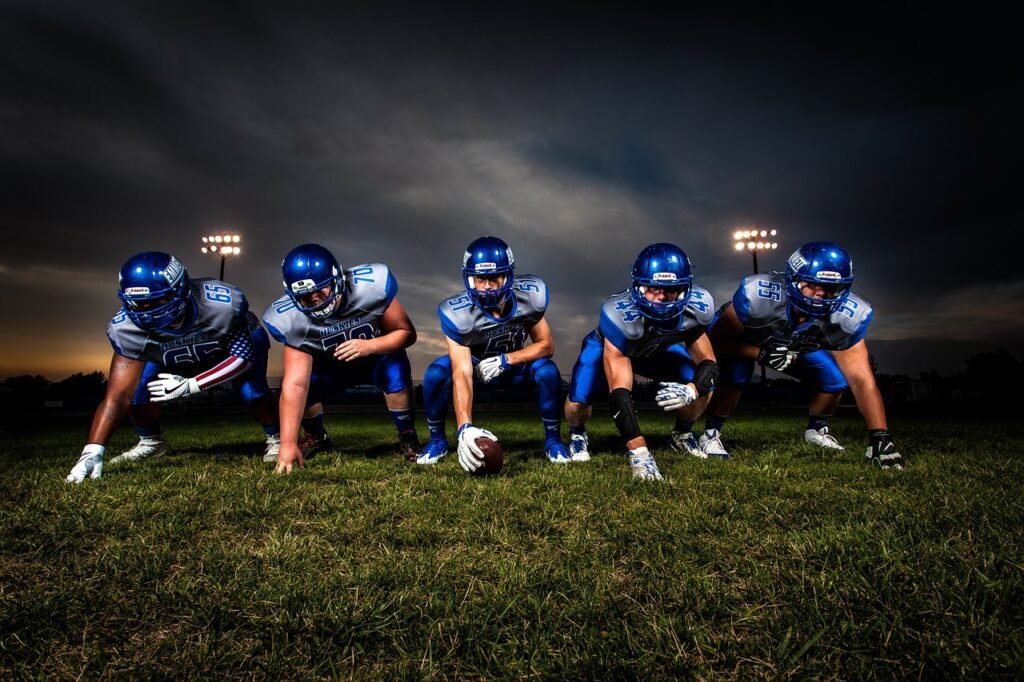
With all the distractions of our fast-paced world today, family bonding has become increasingly important. Athletics are a passionate way of cementing family bonding that extends far beyond the playing field. Whether supporting loved ones in the grandstands, exercising in the backyard, or competing together in community leagues, athletic endeavors create common experiences that leave long-lasting impressions among family members of all ages.
The Universal Language of Play
Sports dissolve boundaries of age, ability, and background, providing a language accessible to everyone in the family. A back-yard catch game requires no complicated explanation—only an open space and a desire to play. Children naturally gravitate toward play, and sports provide a simple doorway to relate to them on their own ground.
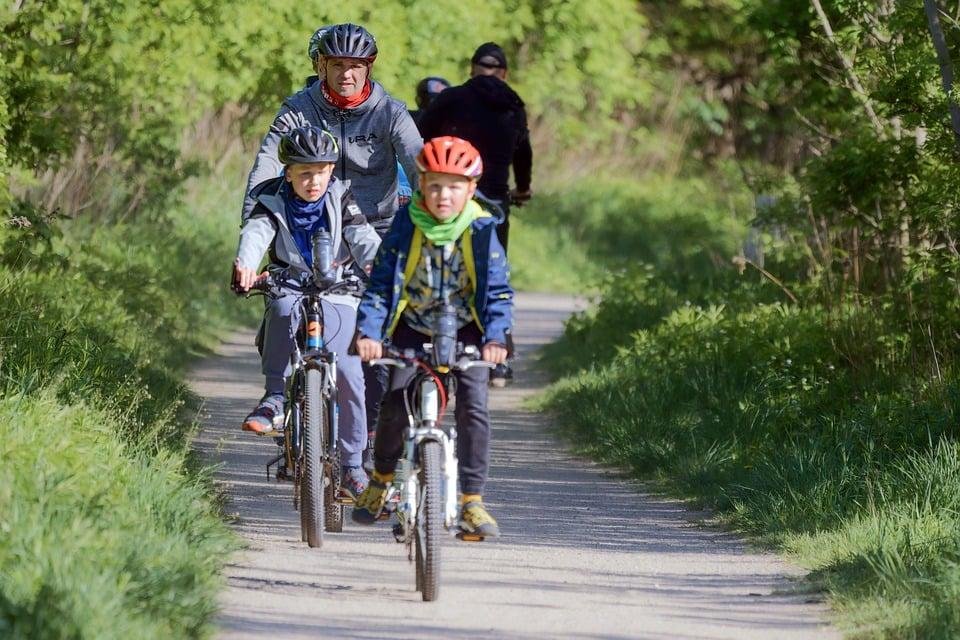
Family dynamics alter in amazing ways when involved in a sporting activity as a group. Parents step back for the moment from authoritarian roles and become teammates or good opponents. The shift creates a fair playing field on which children can see parents as complex human beings with strengths and weaknesses. Many adults find themselves reminiscing about early childhood memories of fun games at the playground when they play with their kids. The relaxed pace of dribbling a ball of basketball or soccer can transport parents back to formative experiences, closing the gap between generations.
The excitement of watching professional sports as a family brings a new aspect to family bonding. Cheering on favorite teams creates shared interests that last for years, while live casino online real money games bring excitement to big sporting events that are popular among many families, adding friendly rivalry to the viewing experience. These shared rituals—whether watching championship games or participating in fantasy leagues—are fond family traditions that children will pass on to their own families one day.
Building Character Through Competition
Sports are a natural lab for the development of character, and parents are both coaches and role models. Families work through life’s valuable lessons together in sports in real-game situations.
Learning to Win and Lose Gracefully
There are few settings that can instruct sportsmanship more effectively than household games. When children observe parents taking winning and losing in stride, they absorb these social graces by osmosis. A parent who can laugh after being routed in the household ping-pong tournament is demonstrating resilience in action, and celebrating others’ triumph is generosity of spirit.
| Life Skill | How Sports Teach It | Family Impact |
| Resilience | Bouncing back after losses | Creates emotionally stronger children |
| Teamwork | Coordinating efforts toward goals | Improves family communication |
| Discipline | Regular practice and improvement | Builds a consistent work ethic |
| Leadership | Taking initiative during games | Develops confidence in all settings |
These lessons extend well beyond sports to impact the way children approach challenges in school, career, and relationships. The court is a classroom where perseverance with difficult shots teaches tenacity, and team sports illustrate the benefit of supporting others.
Creating Memories That Last a Lifetime
One of the strongest child memories centers on sporting achievements and sporting activities with the family. The very first successful ride on a training wheel-less bike, cheering a championship game as a team, or participating in a charity run as a family team—these are strong emotional anchors.
Sporting holiday getaways produce especially strong connections. Active sports holidays based on skiing, trekking, or beach volleyball yield deeper interactions than passive amusement for numerous families. The social media channels, like Melbet Instagram Bangladesh, are filled with numerous families who made sports tourism the core of their travel, showing how sporting activities bring relatives together on unique outings. Such adventures make stories that become family legend and are repeated during reunions for years.
Strengthening Communication Through Physical Activity
Above all, sports offer natural venues for true communication. The repetitive movement in so many sports—walking, running, tossing a catch—offers an informal forum for discussion that’s less stilted than formal “family discussions.”
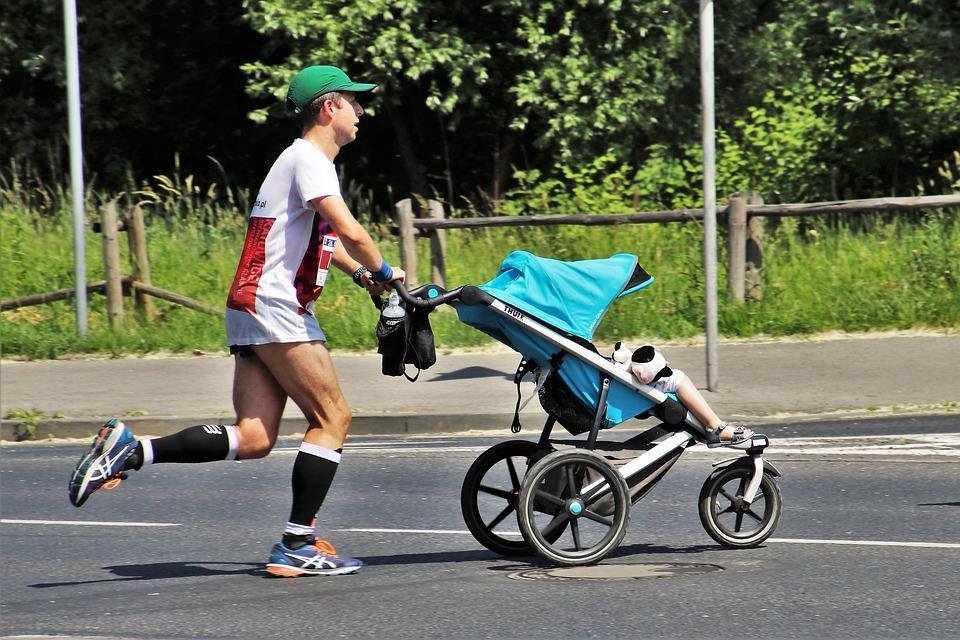
Experiments consistently show that fathers, at any rate, converse more with children when they are doing side-by-side activities than they do face-to-face. A game of ball provides natural times for conversation between innings, and bicycle rides provide teammates with hours of easy conversation without demanding long visual contact. These stress-free interactions seem to allow for more open sharing of feelings and thoughts.
Breaking Down Digital Barriers
In an era where the members of a family spend much time withdrawing into solitary screens, sport is a powerful force for engagement in the actual world. The physical contact of sporting games enforces presence in a manner that few other family activities can match. When participating in volleyball at a family reunion or playing jump shot in the driveway, phones end up automatically in pockets as the urgency of the game captures attention.
Active families create resilient memories that trump the temporary thrill of digital entertainment. The thrill of watching a child score their first goal or teach a grandparent how to throw a frisbee creates emotional connections that make family identity more resilient for generations.